[ HAS A NUKE GONE OFF? ]
This site is a live, always-on watch for nuclear detonations. Two independent, home-built detectors sit in Wiltshire in the UK and report in on their own schedule — the gamma detector every minute, the optical detector every half hour. If either one ever catches the unmistakable signature of a nuclear blast, the answer above flips from No to YES — and the exact moment is logged forever.
[ MONITORING LOCATION ]
Both detectors currently watch the sky from the same spot in Wiltshire. The map below shows exactly where, and the live readout above tells you the last time each one checked in.
[ TWO WAYS TO SPOT A BOMB ]
A nuclear explosion gives itself away in several ways at once — a burst of gamma rays, a double flash of light, a pulse of heat, and finally the blast wave. Two home-built detectors watch for a different clue each, so one can back up the other.
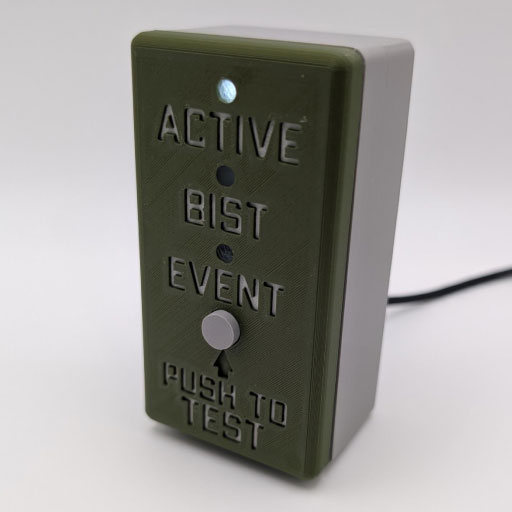
Bhangmeter V2 — the gamma detector
Catches the invisible gamma-ray flash, the very first signal to
arrive, and logs the exact instant it happened.
Read more →
Bhangmeter V3 — the optical detector
Watches for the double flash of light every nuclear fireball
produces, and reads its timing to estimate the yield in kilotons.
Read more →
[ THE REST OF THE FAMILY ]
Two more projects round things out — the sensor that makes V2 buildable today, and a bit of fun that puts the answer on your shelf.
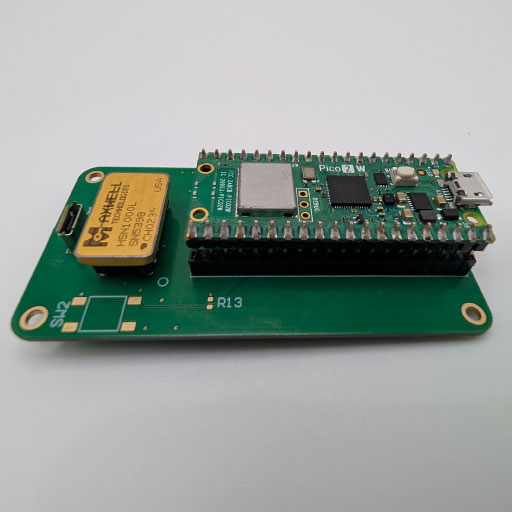
BHG-2000 — the sensor inside
The chip at the heart of V2 is discontinued, so this is an open-source, build-it-yourself
replacement. Read more →
ned_yesno — the neon readout
A little box with two neon bulbs that reads this website and lights up yes
or no. Read more →
[ BUILD ONE YOURSELF ]
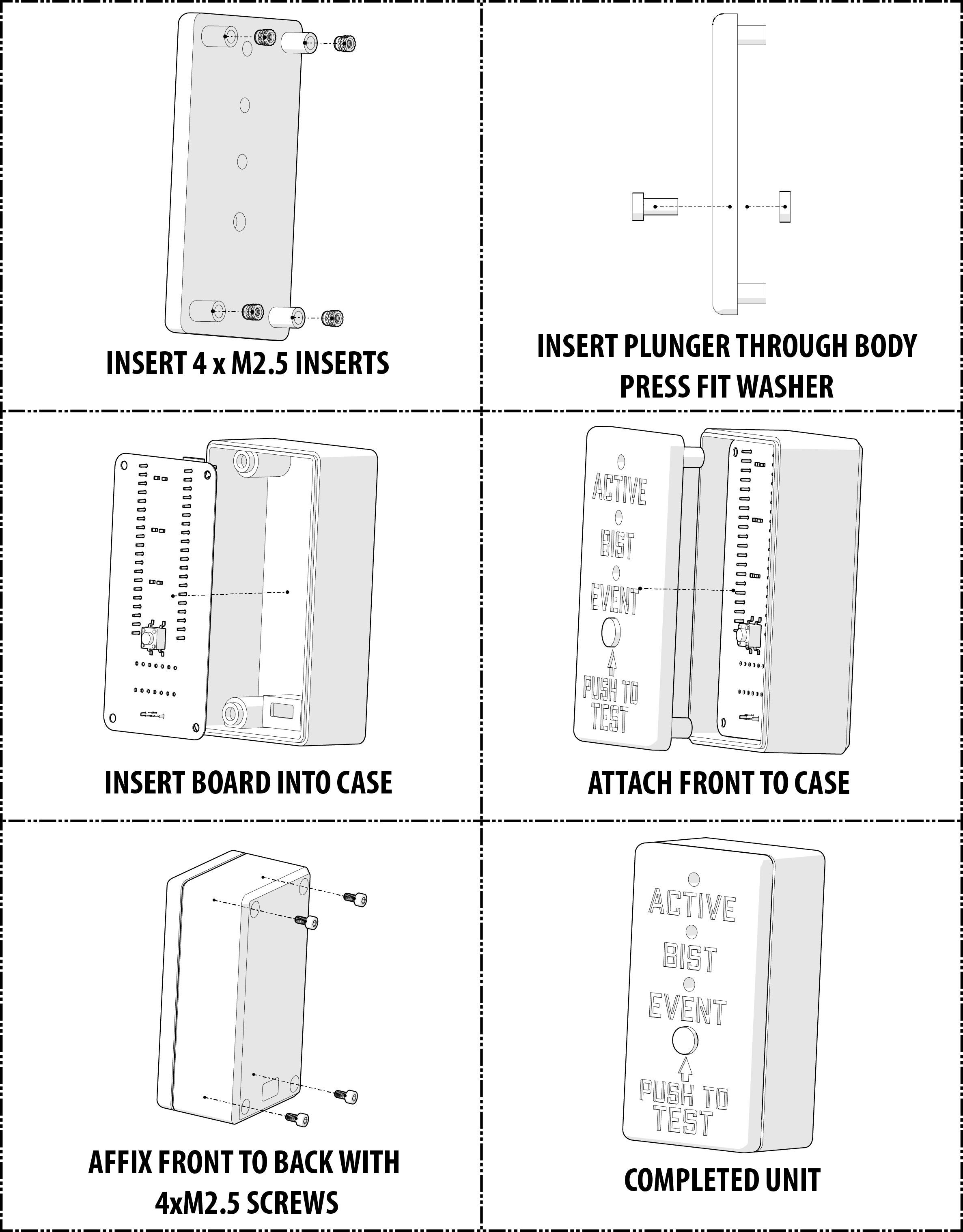
Every one of these projects is fully open-source. Each design package includes a 3D-printed housing, PCB gerbers, schematic and assembly documents, firmware and source code, and step-by-step build instructions — all on GitHub:
- Bhangmeter V2 — gamma detector
- Bhangmeter V3 — optical detector
- BHG-2000 — nuclear event detector
- ned_yesno — neon yes/no readout